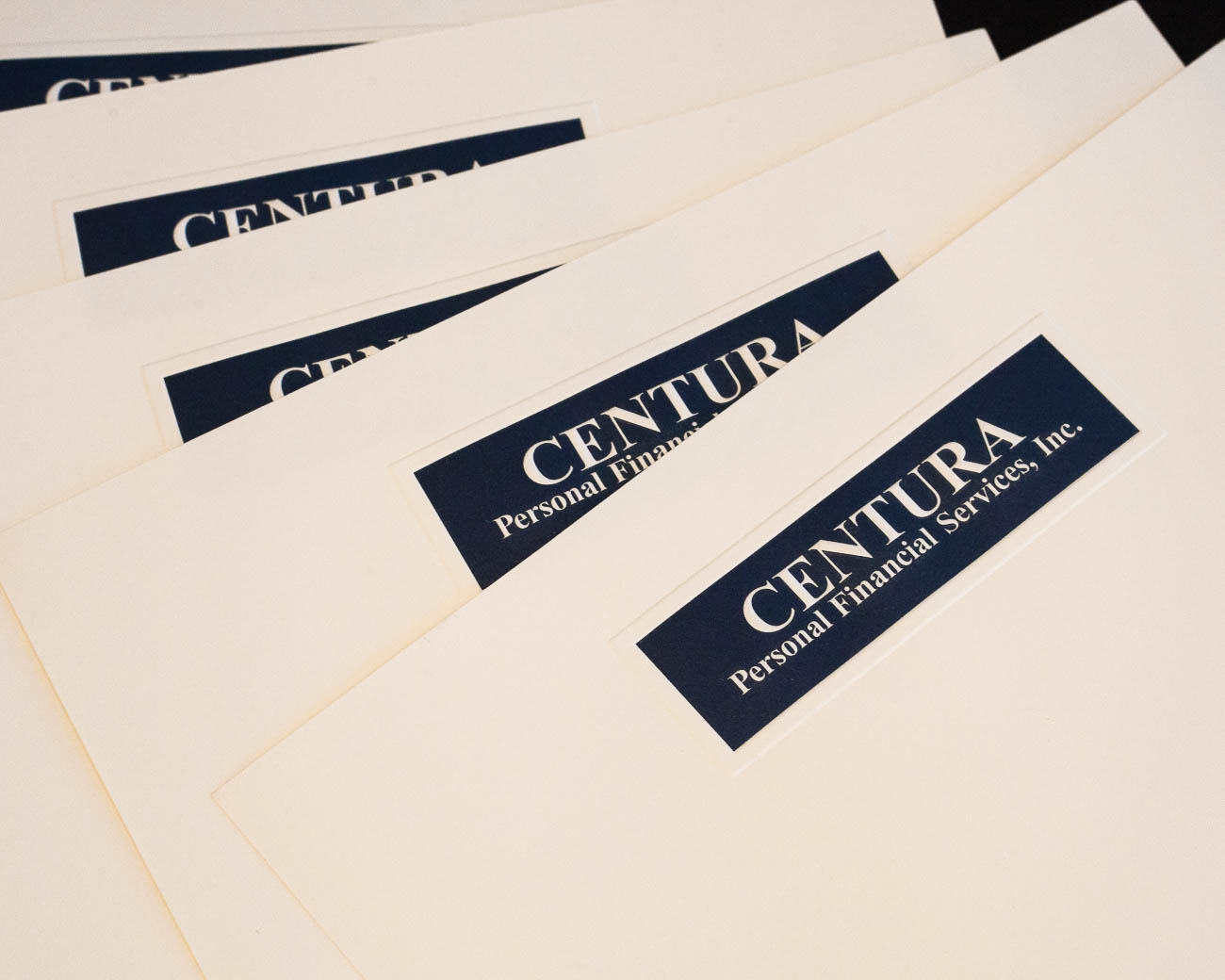
Embossing / Debossing
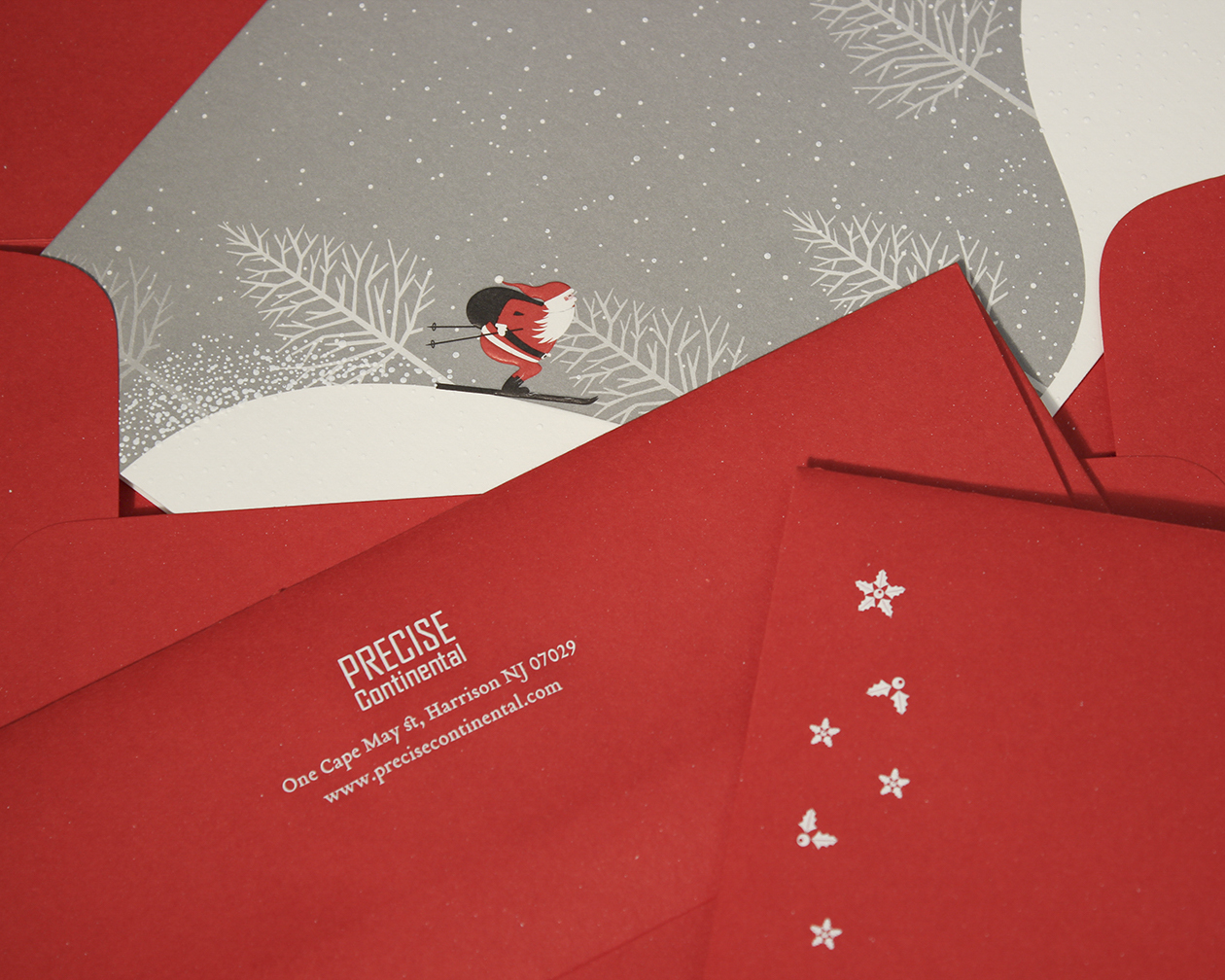
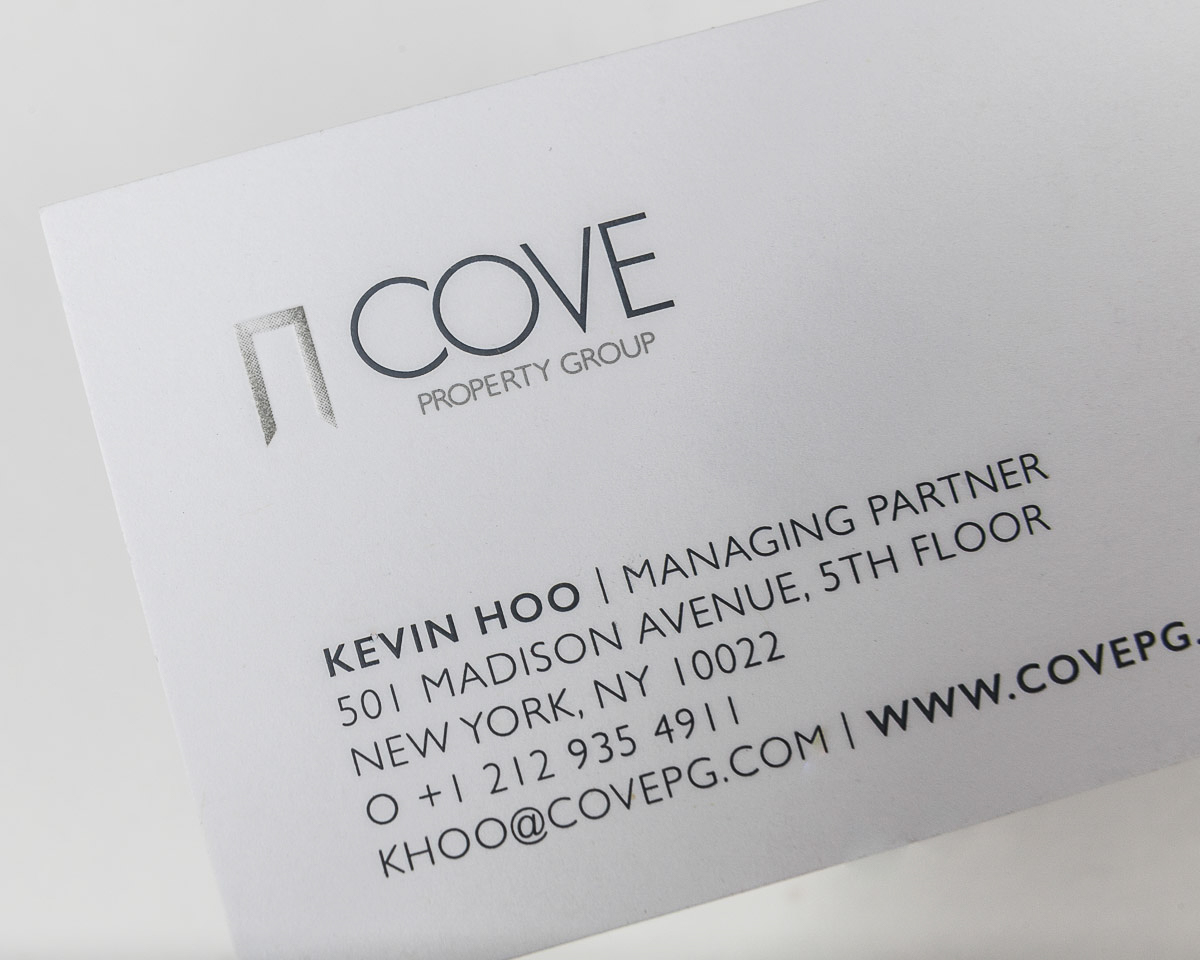
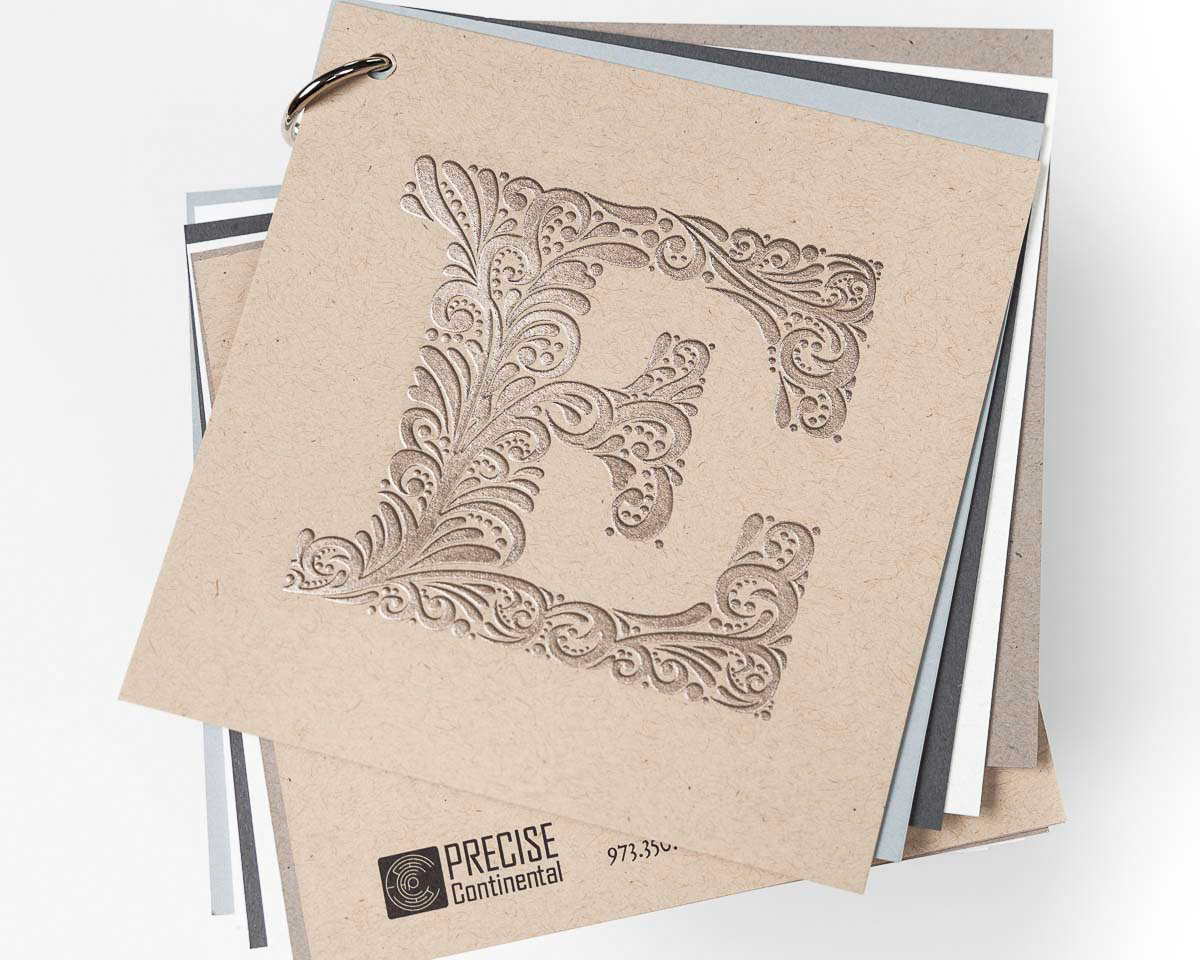
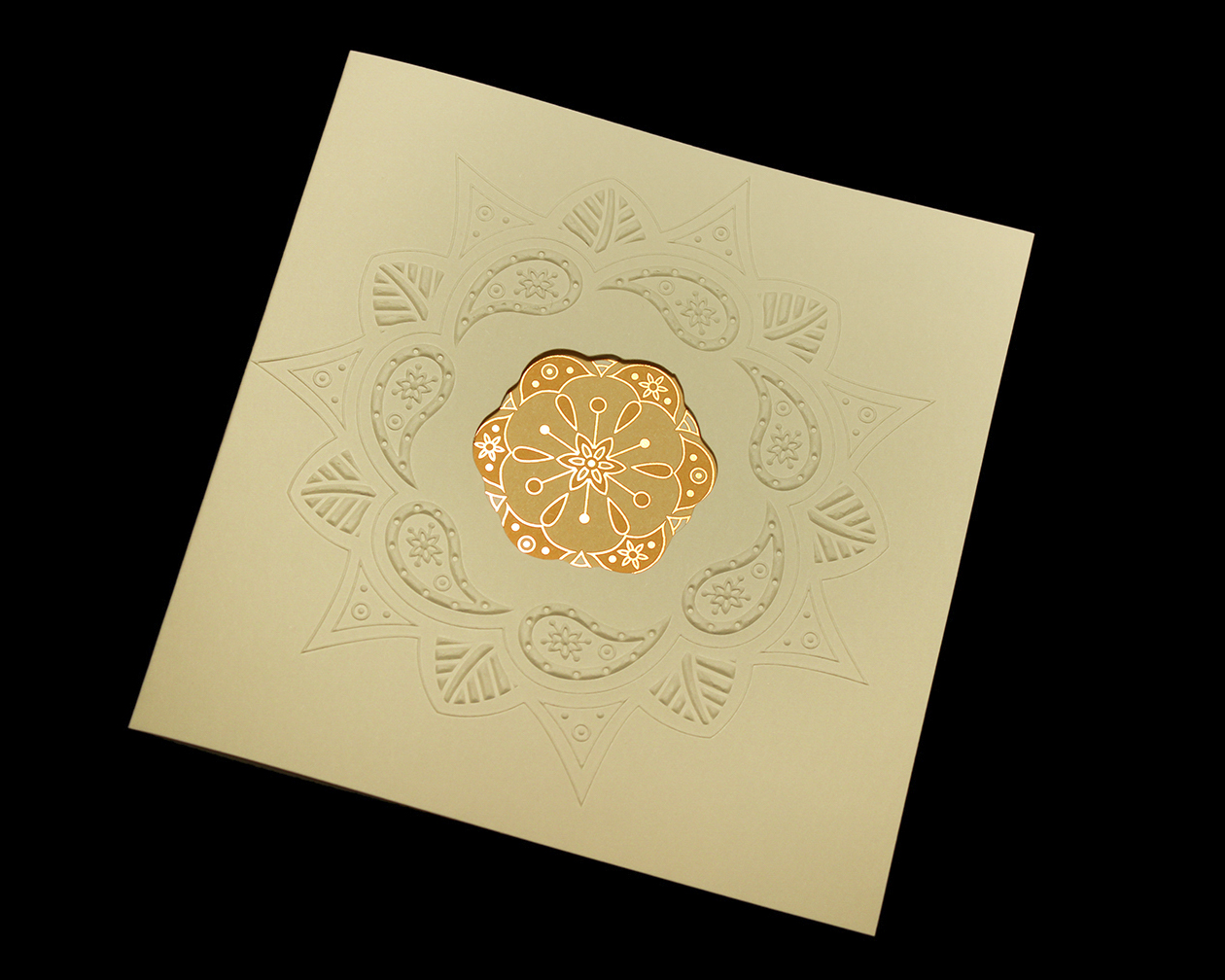
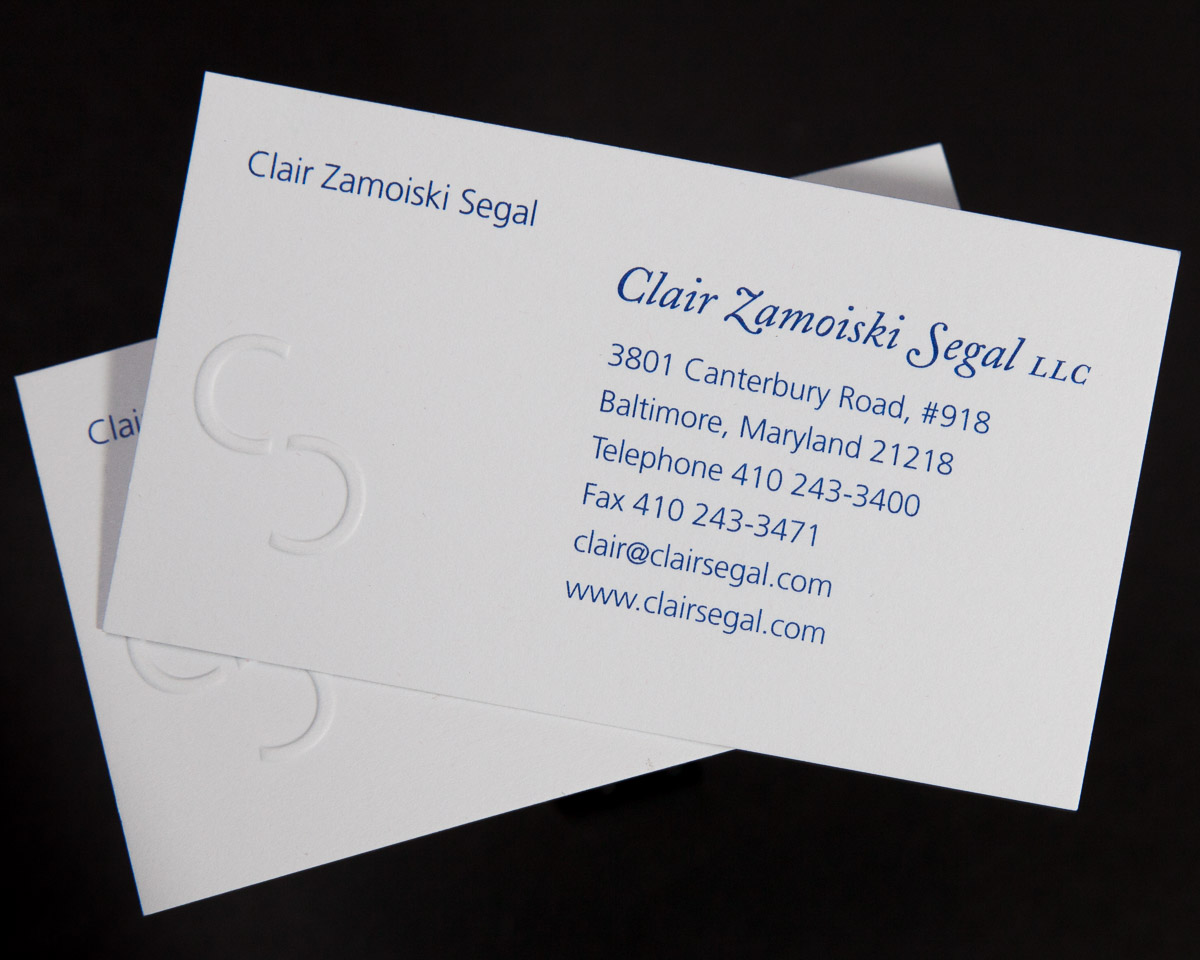
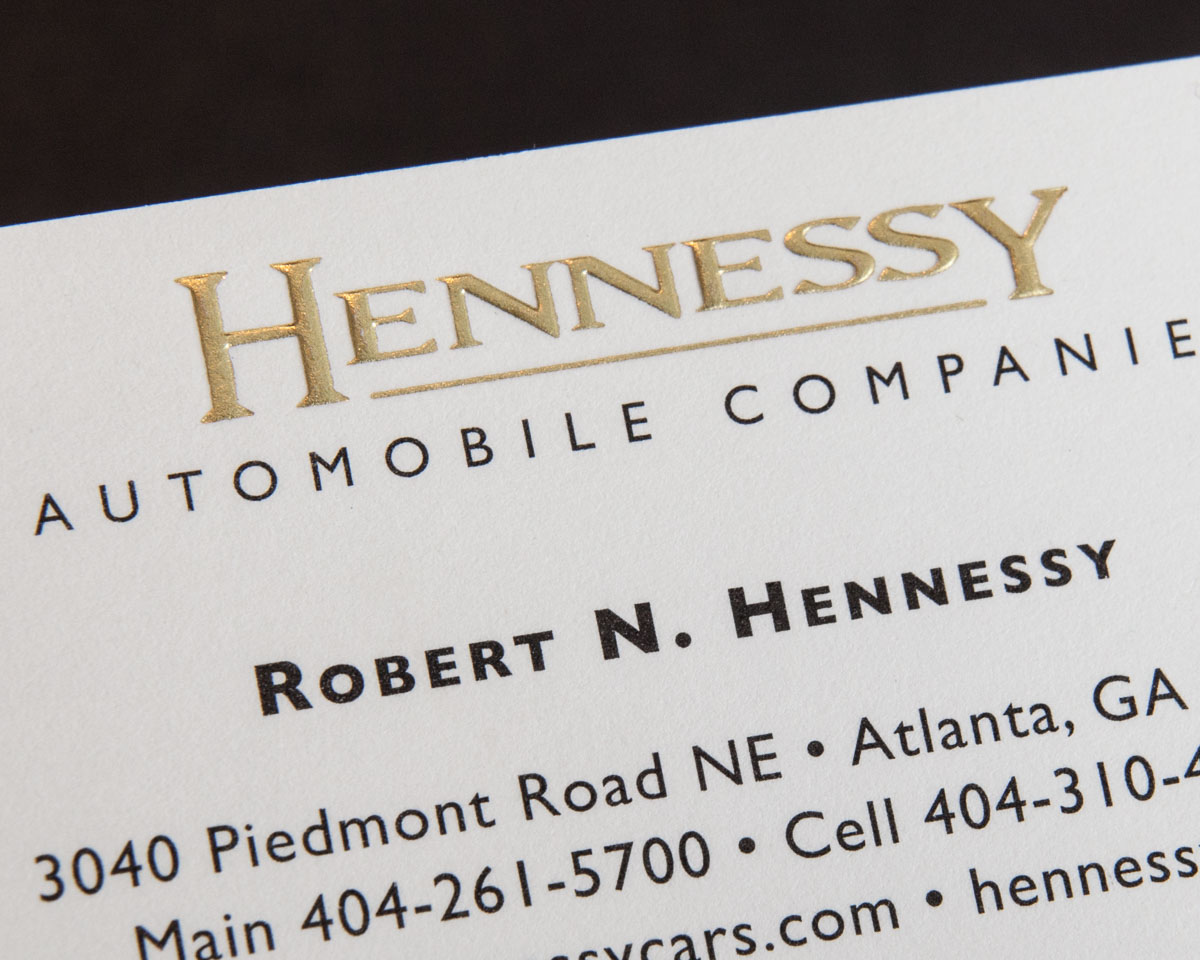
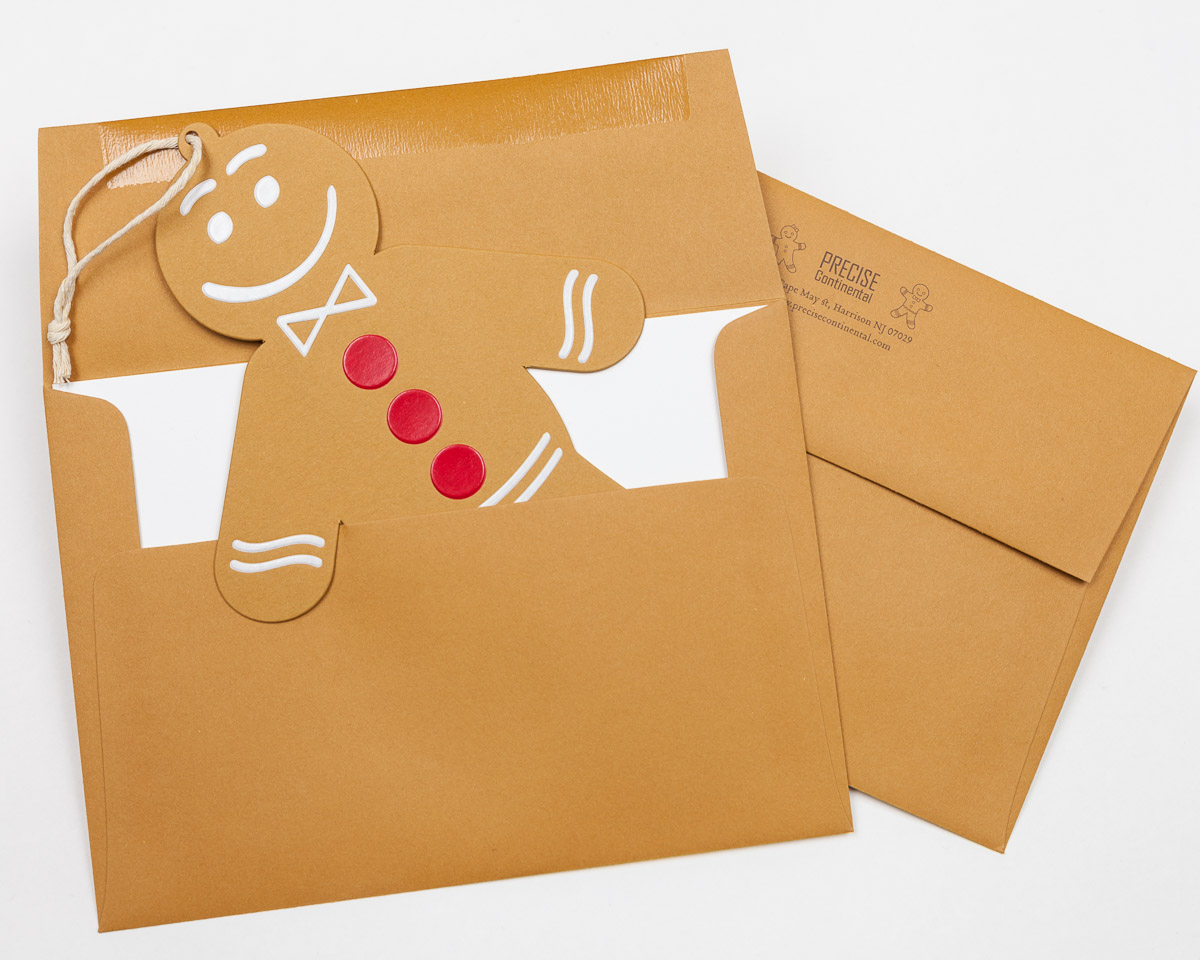
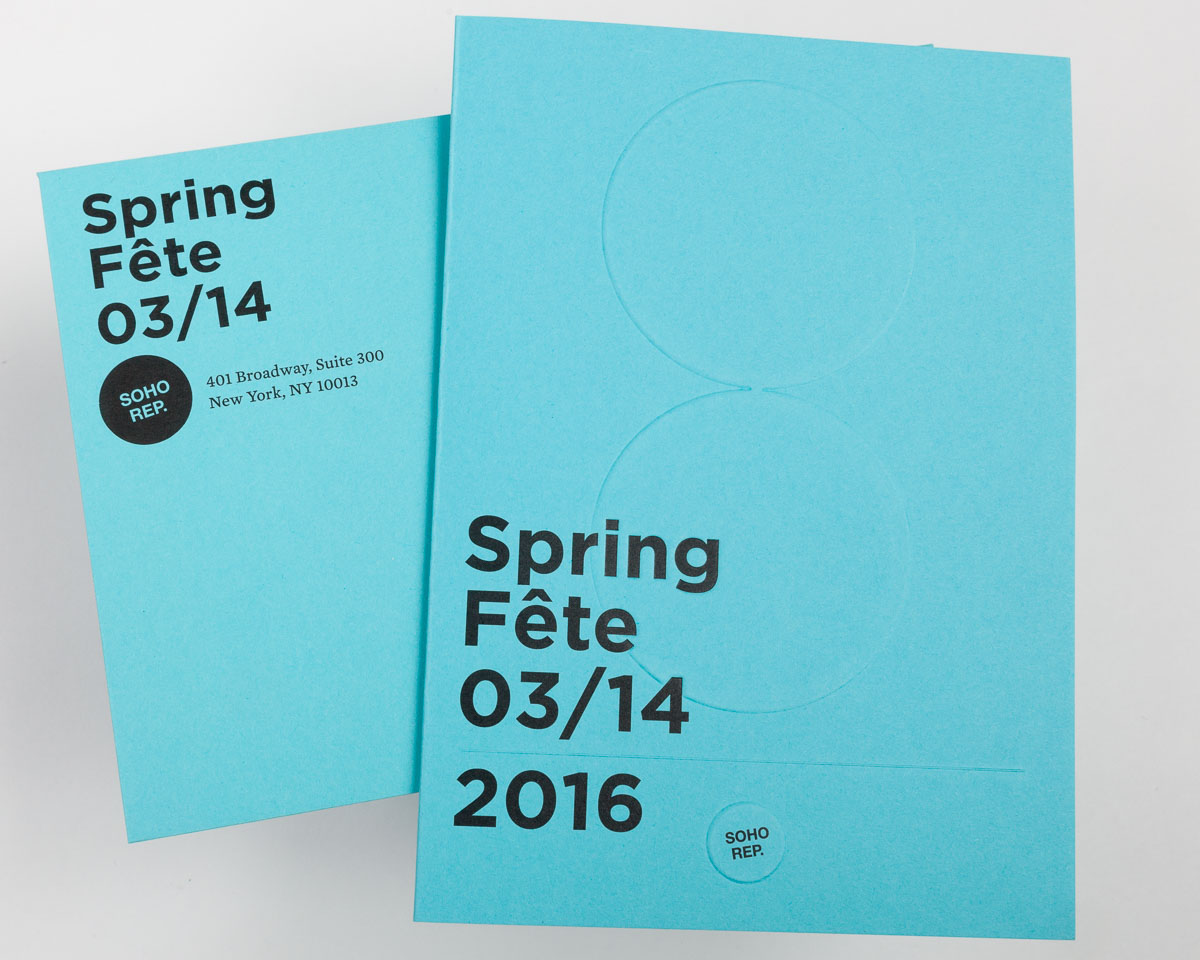
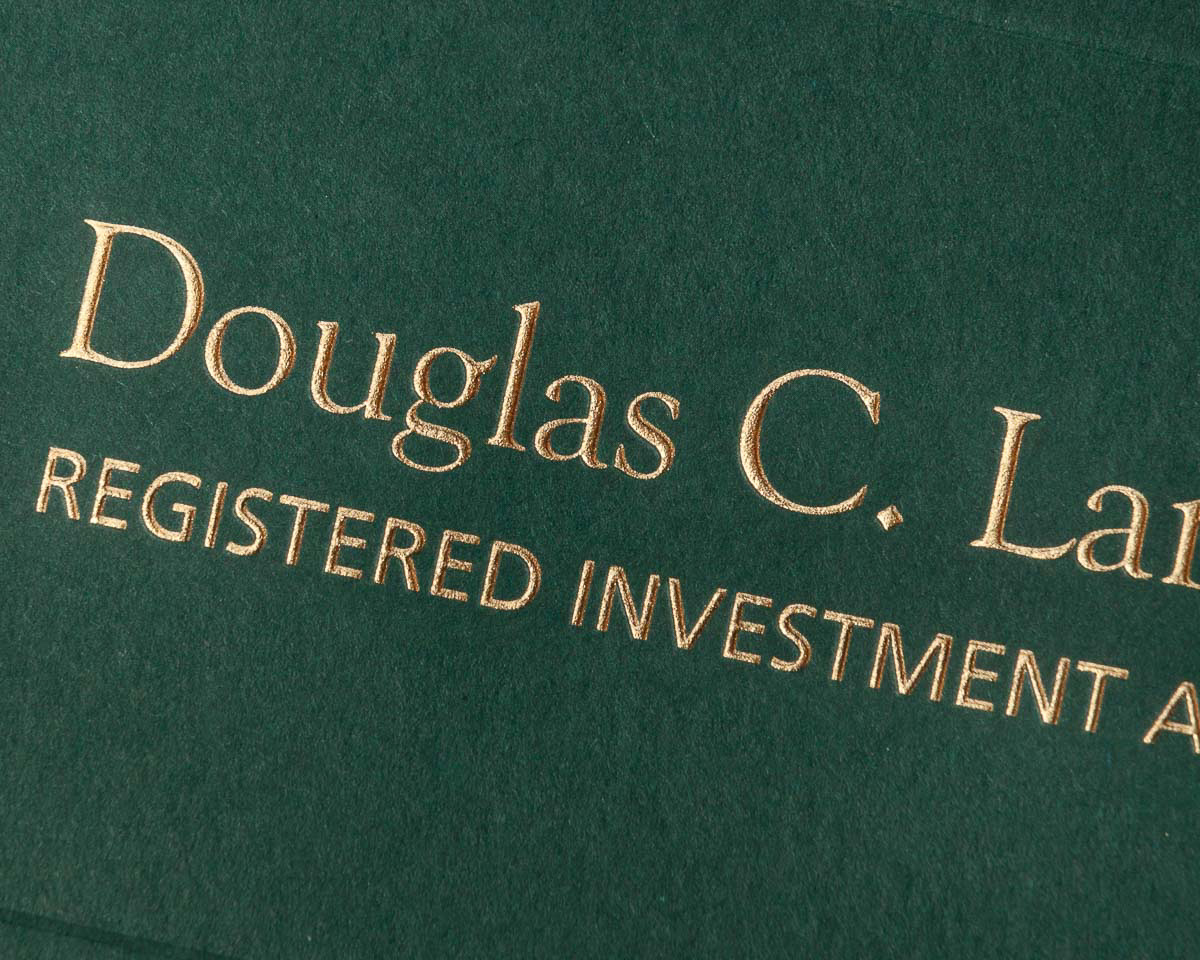
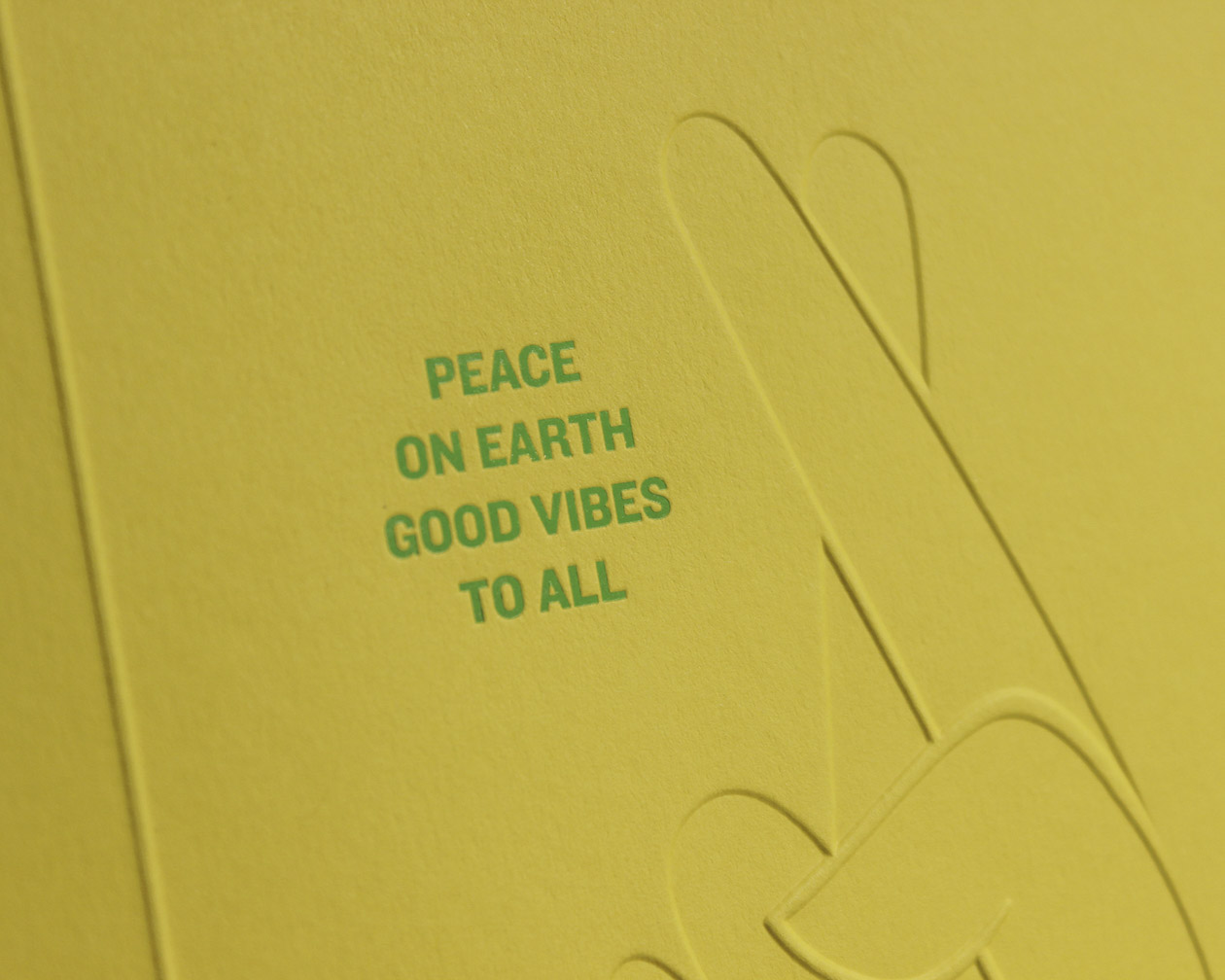
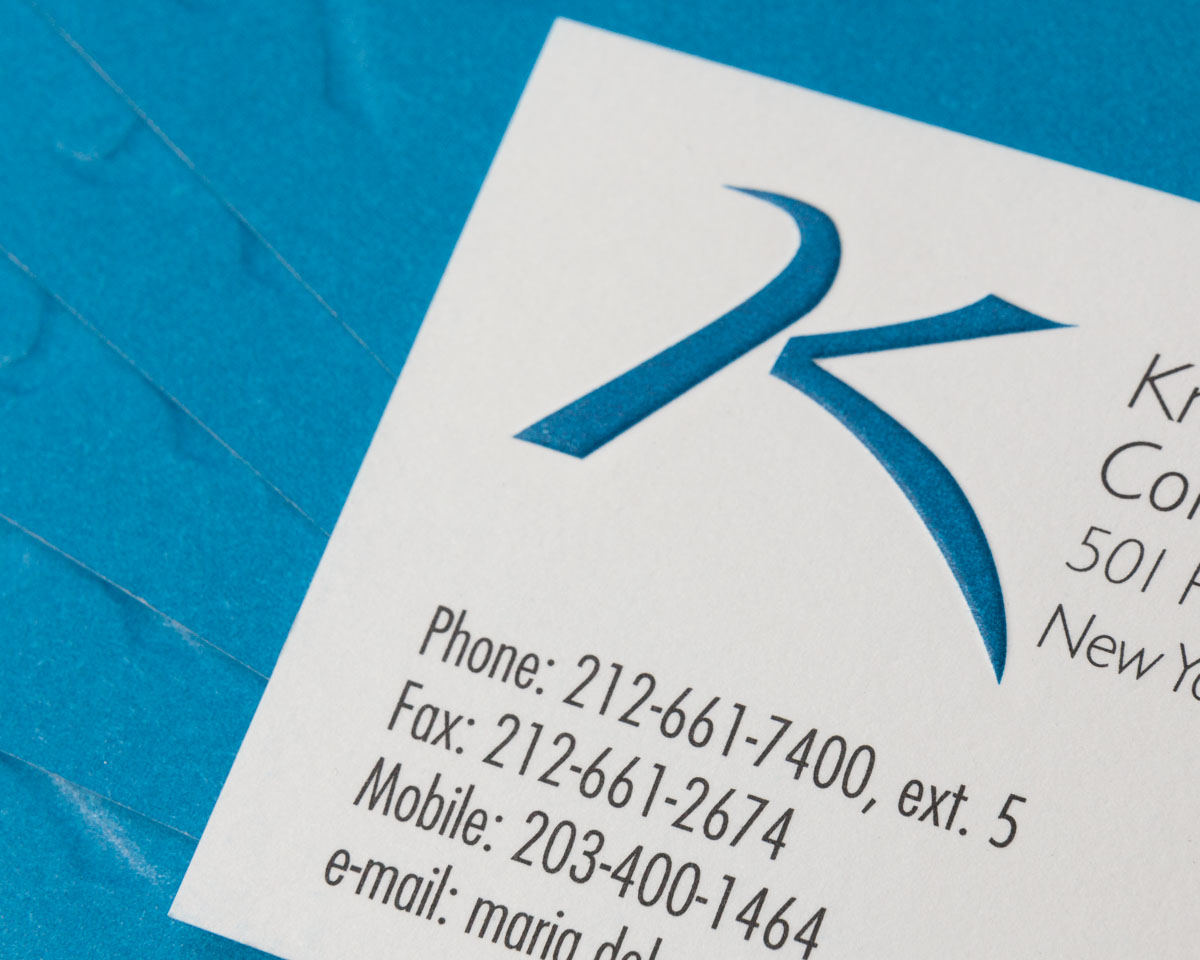
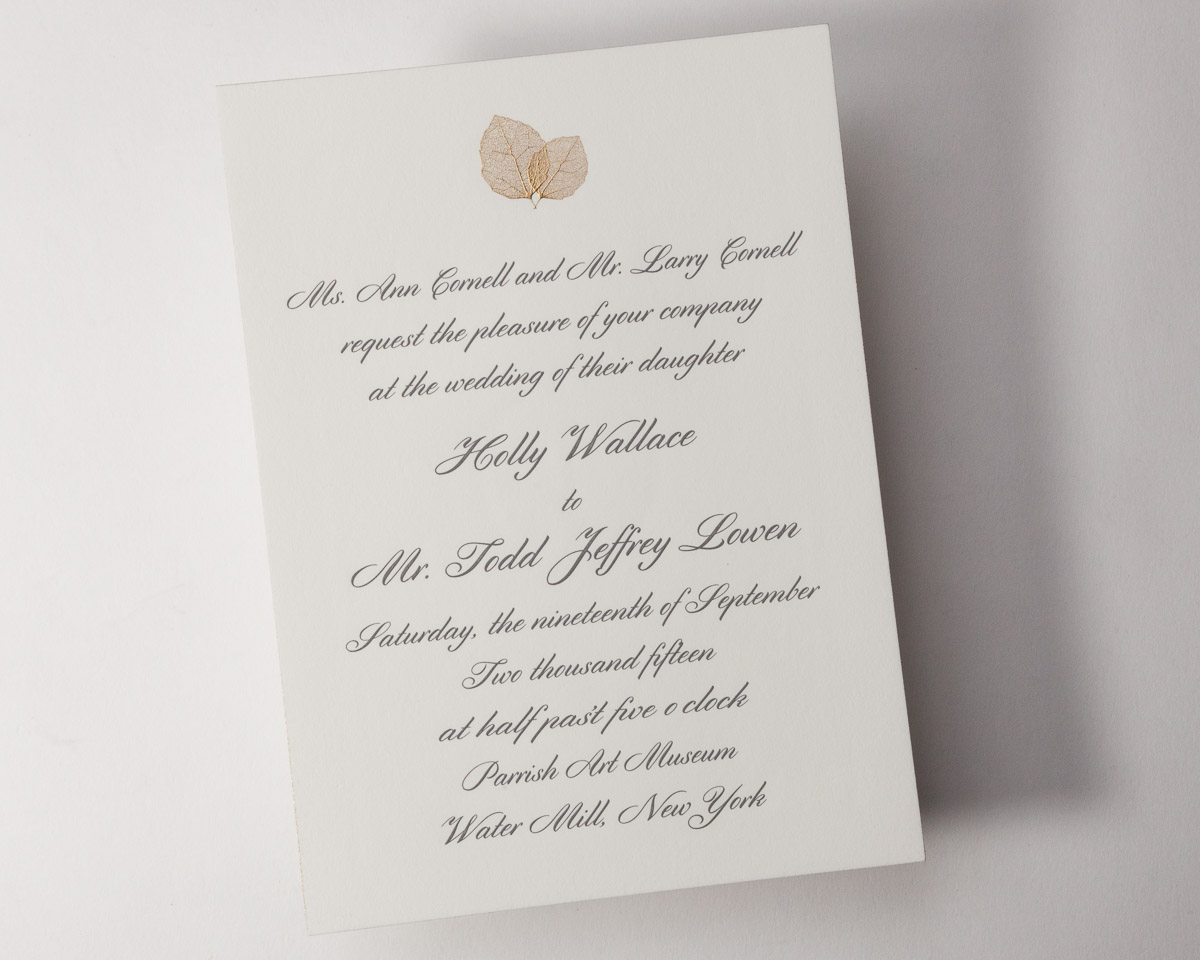
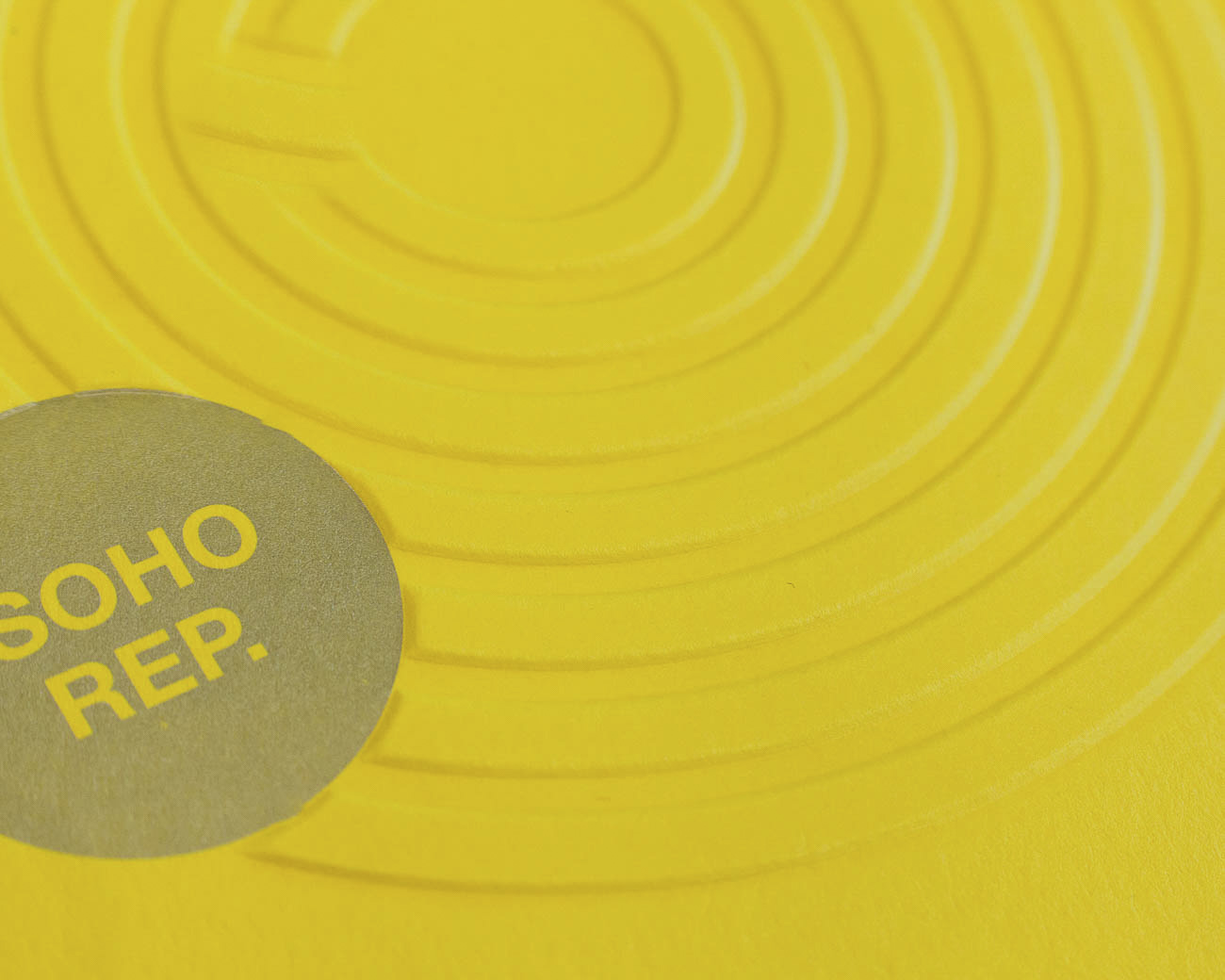
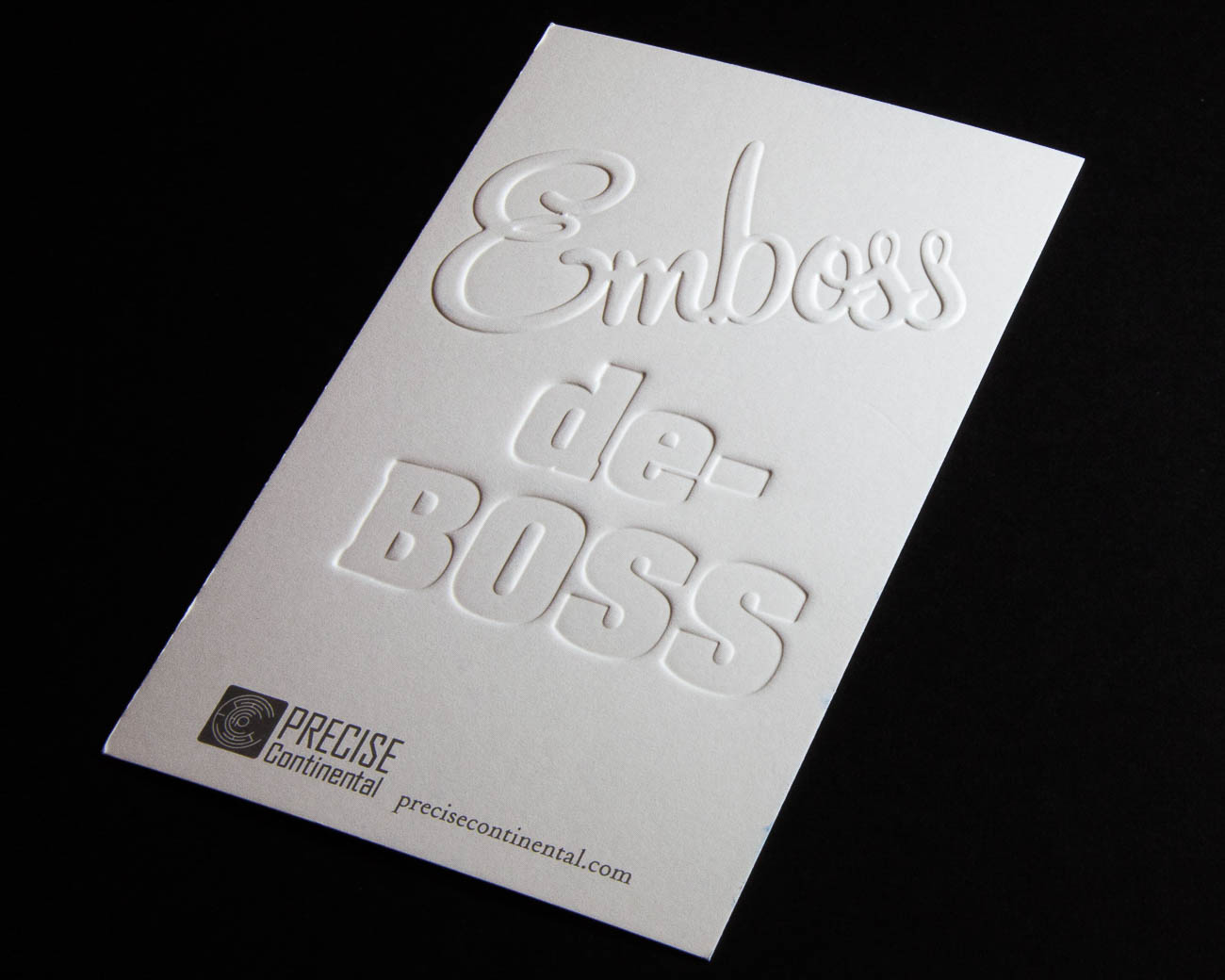
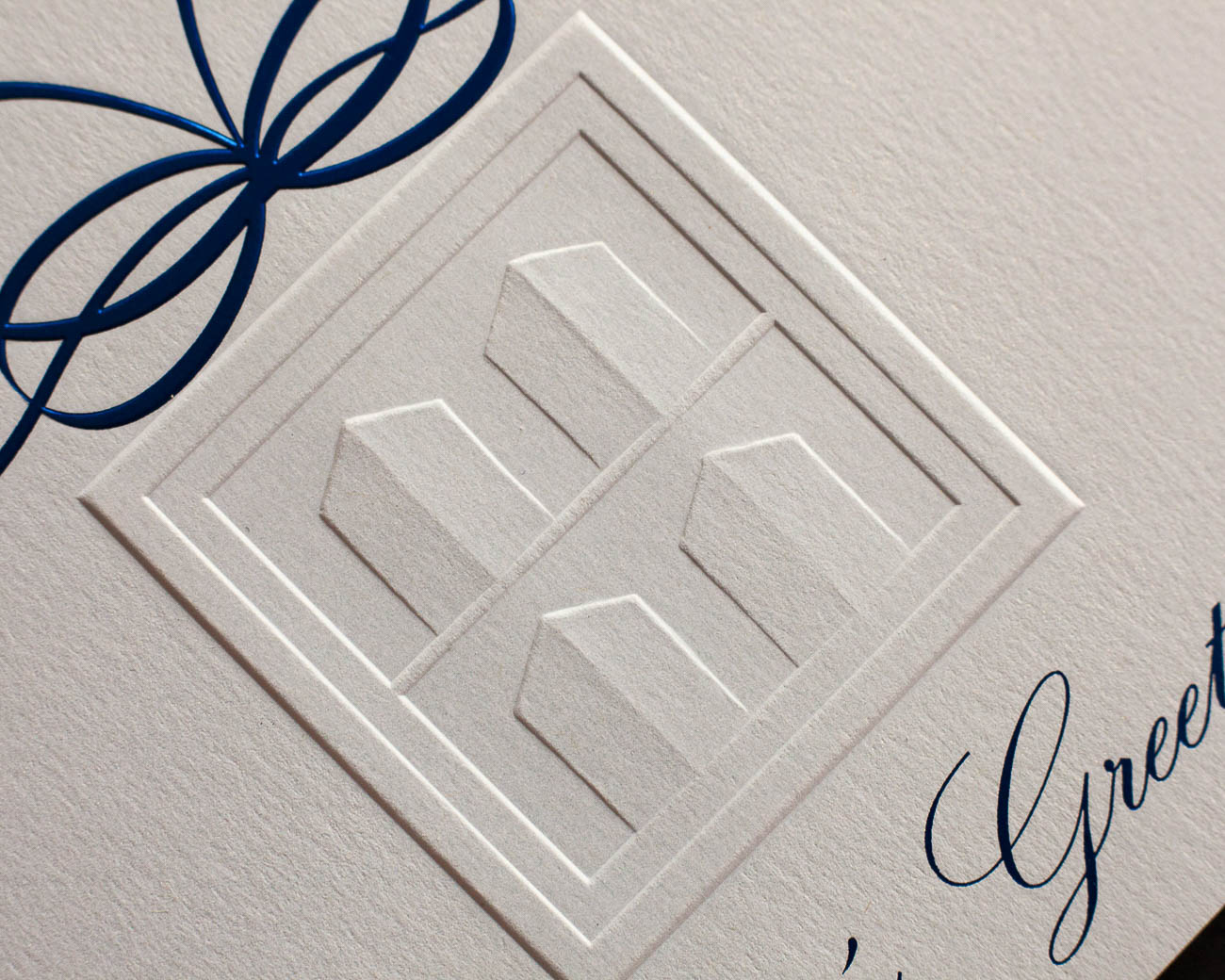
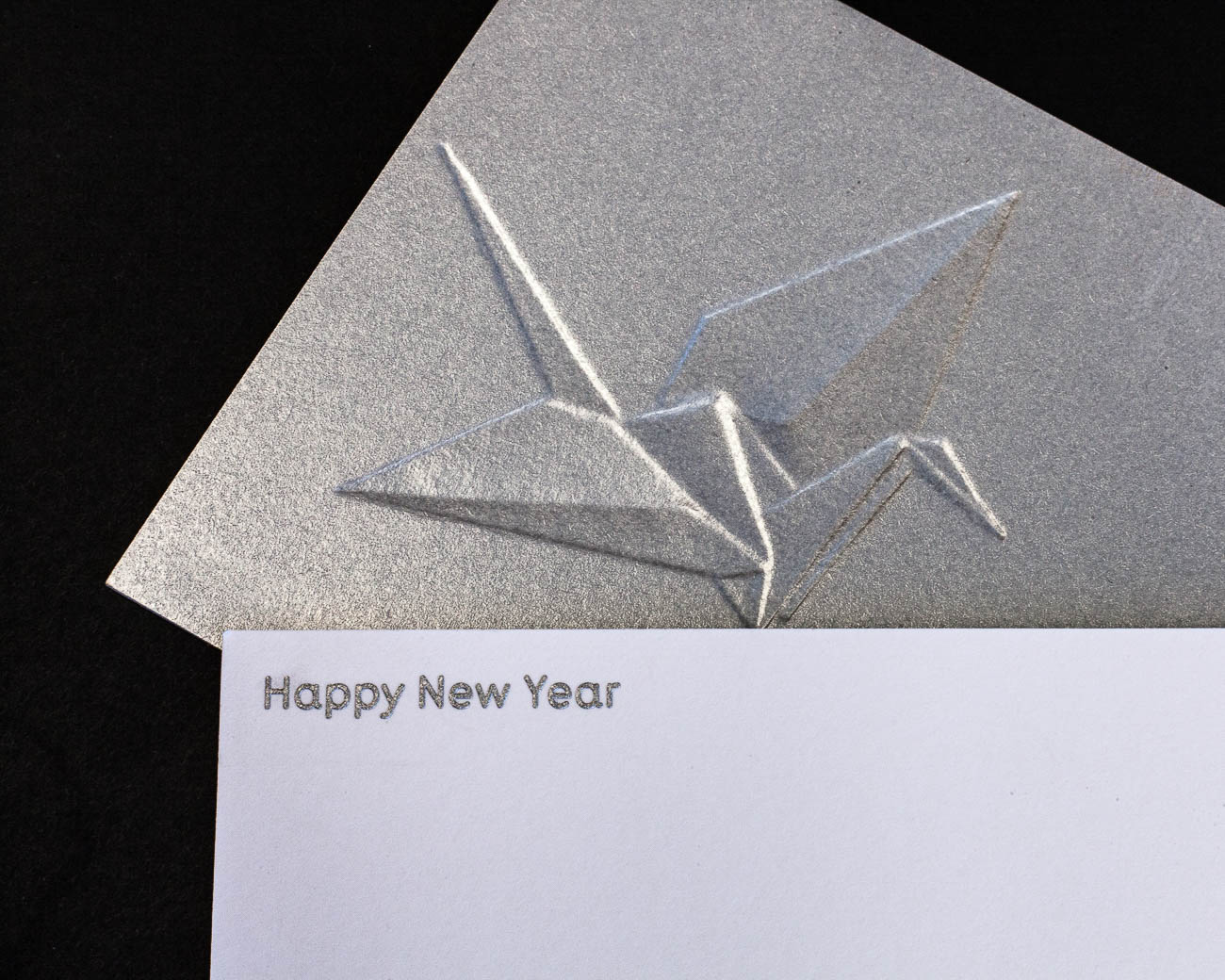
Embossing is a raised technique similar to engraving, minus the use of ink. Embossing is delineated by carved shadows, adding depth and impact to a design. It’s a raised technique where paper is pressed between a plate with an image and counter. Debossing is the same process, but achieves the opposite result by pressing in to create a recessed area.
Embossing/Debossing looks great across a variety of papers, and is especially effective on bulkier cover weight papers. You can achieve an added effect with textured paper, as it smooths out those areas.
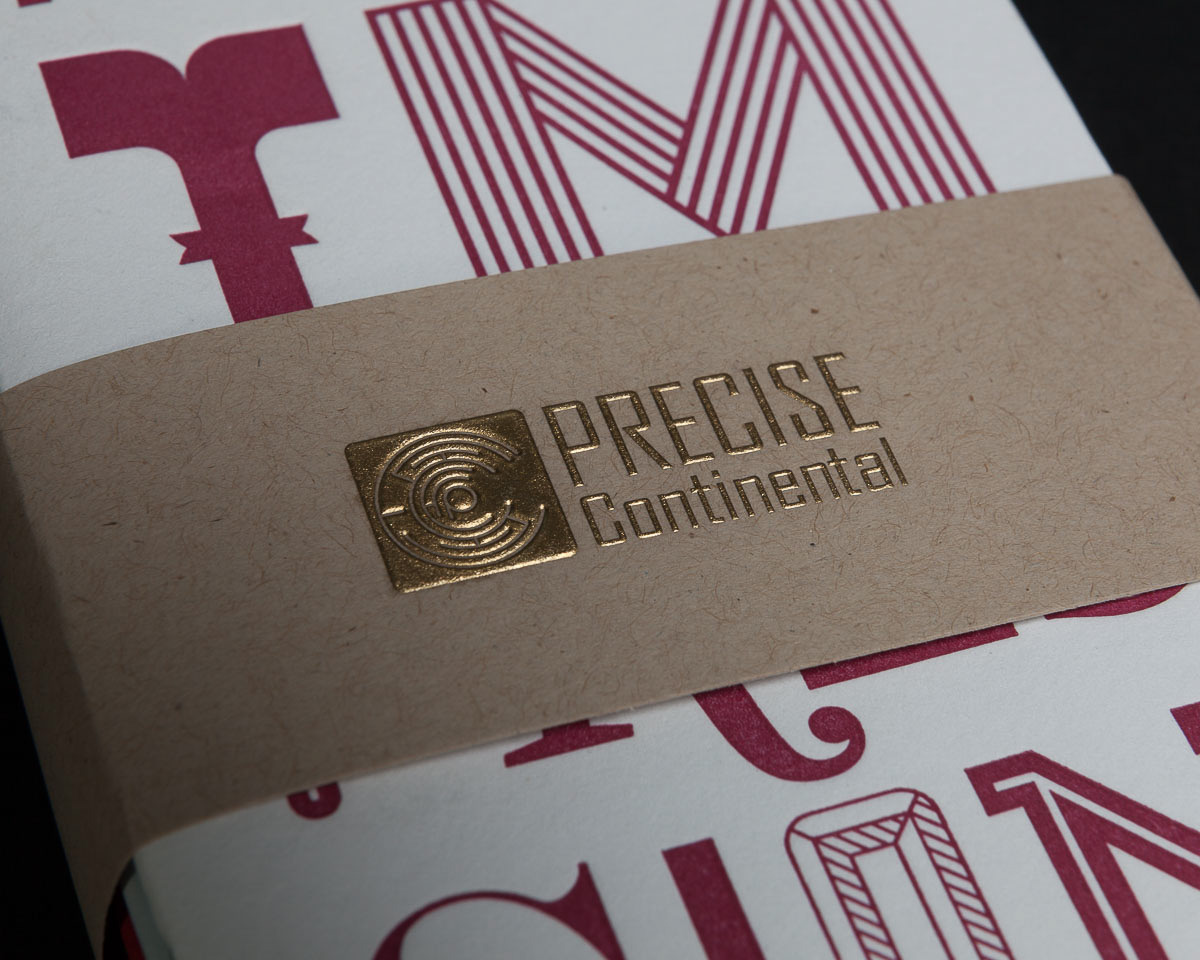
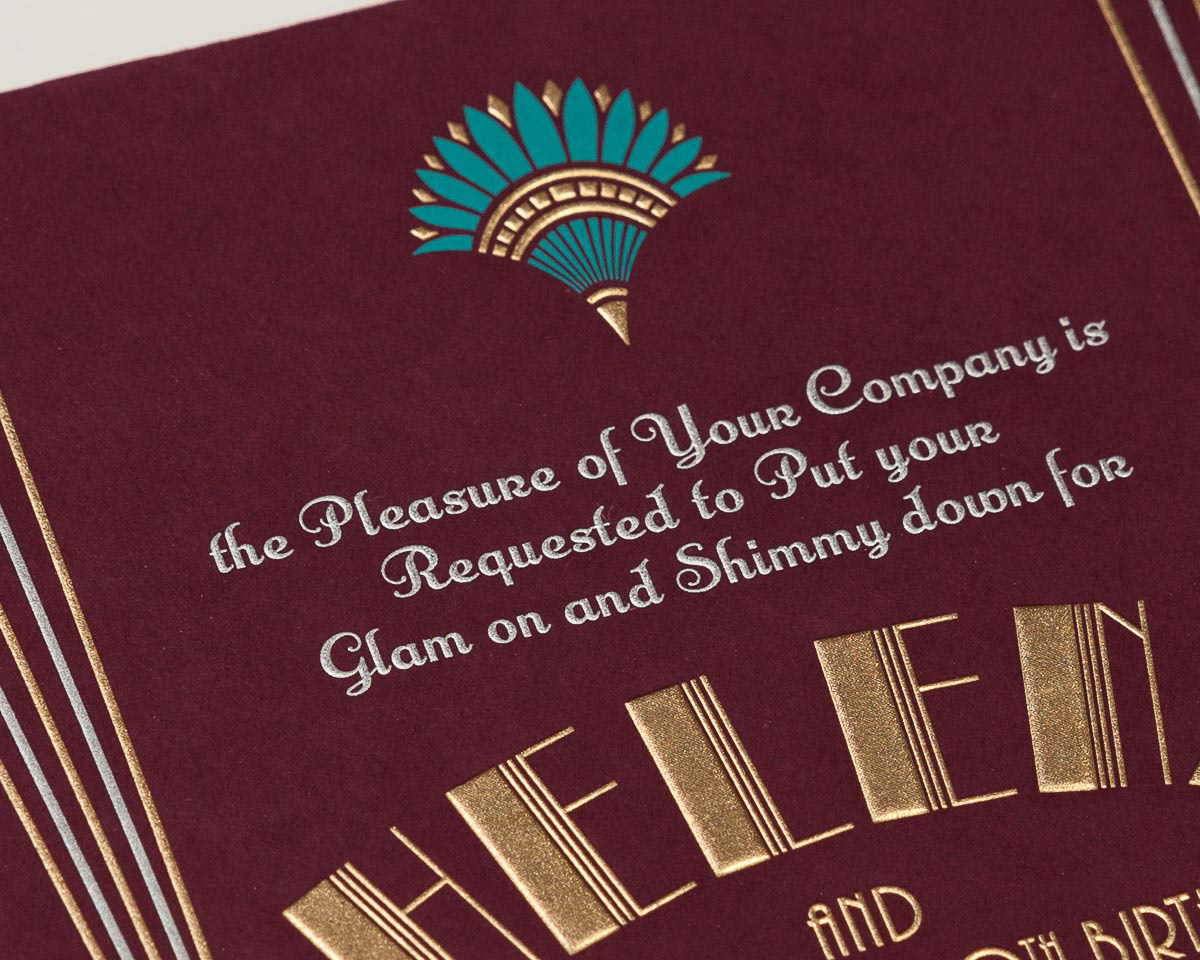
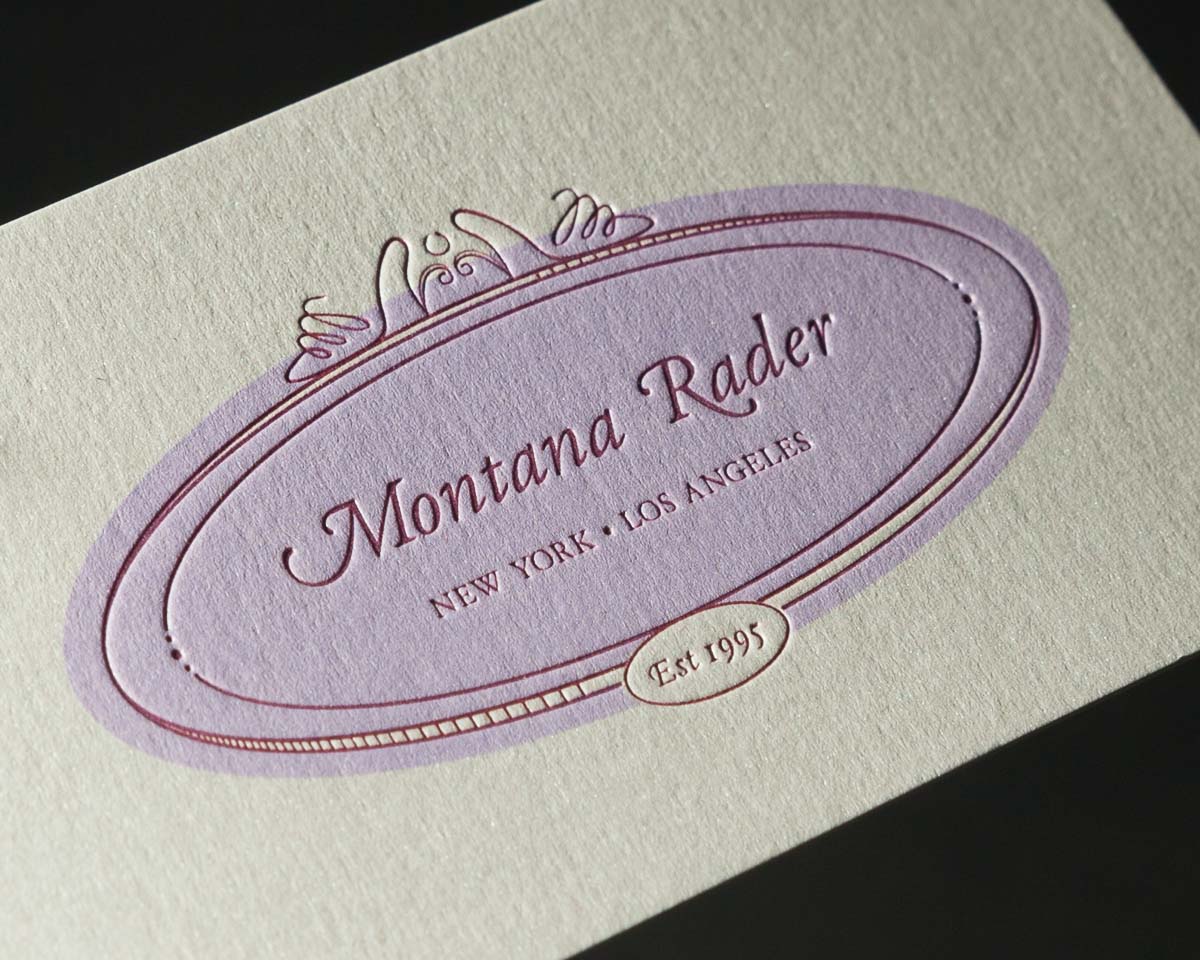
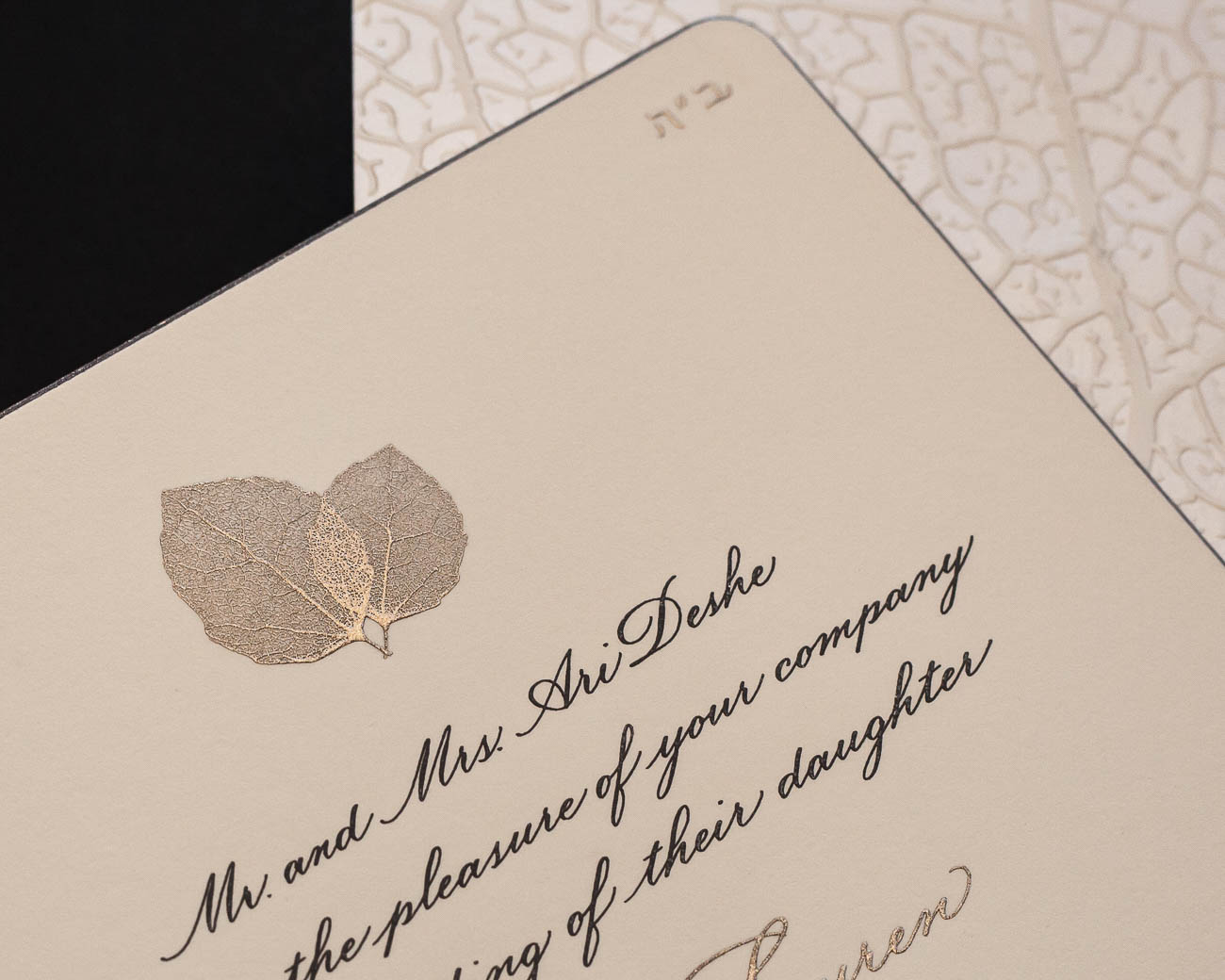
Both embossing and debossing can be used in combination with offset or foil stamping to add depth and impact to a design. Dies can be sculpted as single or multi-level to create striking, multi-dimensional designs.

Things to know about embossing & debossing
- Rule thickness. Fine lines and text appear thinner when embossed versus being printed offset. Request a rule reference sheet to properly specify your rule widths before manufacturing.
- Small text. Text naturally loses character density when embossed, which can be compensated for in the design or prepress stages. Discuss your design goals with your consultant to ensure the end result is one you anticipate.
- Because of the pressure, the bruise that is created on back of sheet may interfere with information on other side.
- Single-level embossing refers to a die that is etched to one depth. Multi-level or sculptured embossing dies have multiple levels of depth etched in the die creating a sculptured look.
- Add time to your schedule. Multi-level Embossing dies are often handcrafted, which adds 3 to 7 days to a production schedule, notwithstanding other scheduling and manufacturing considerations.
QUESTIONS?
Think of us like that friendly production manager you never had.