Offset & Lithography
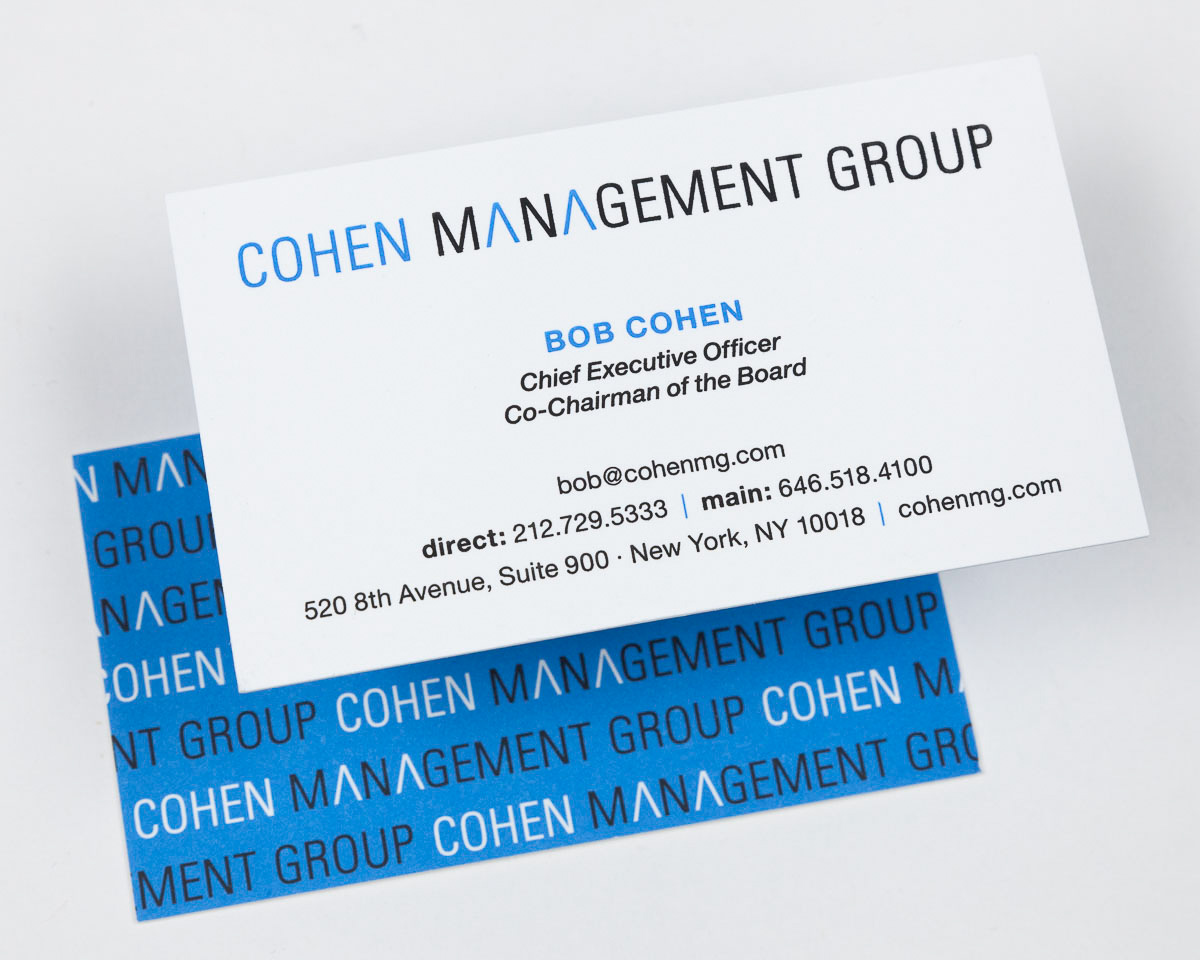
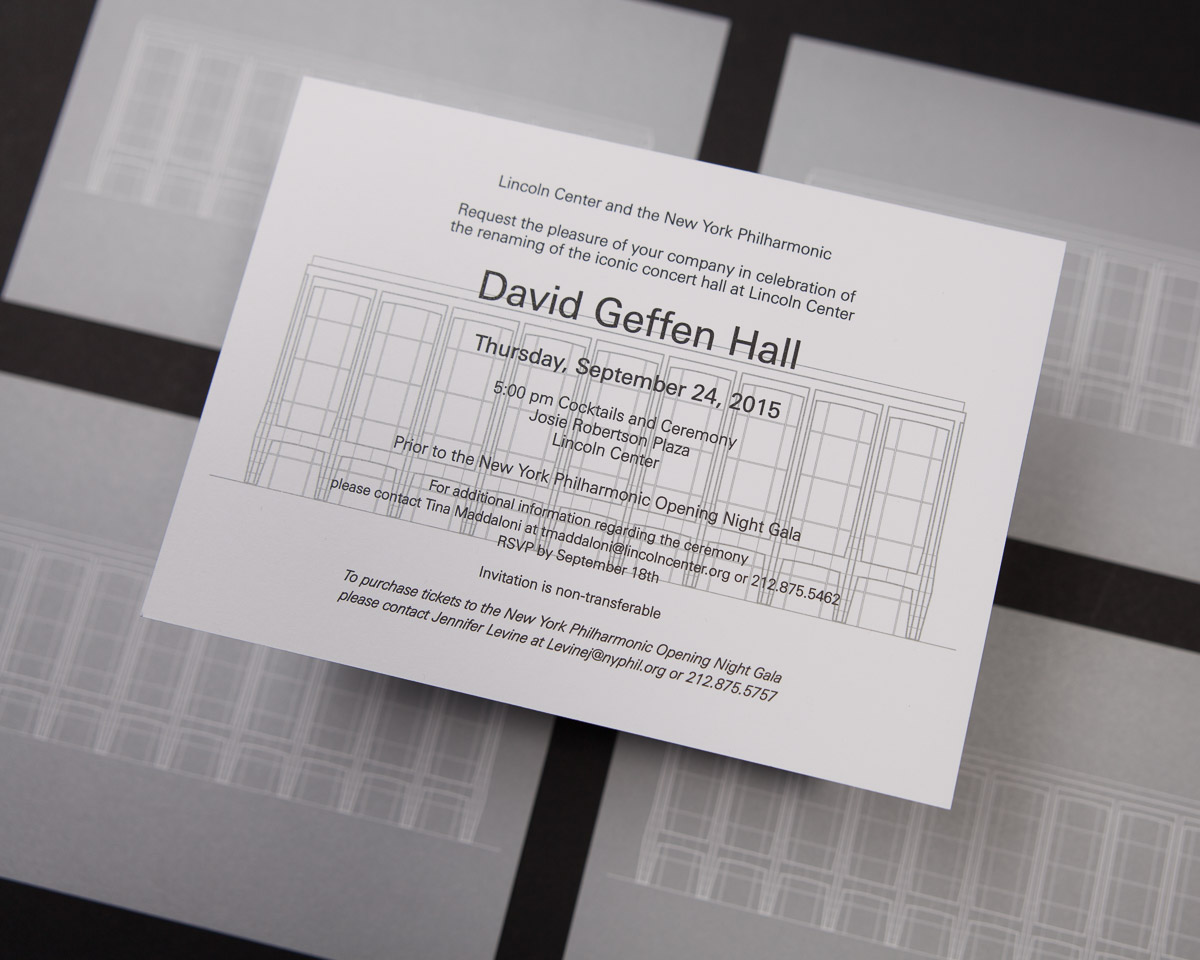
Offset, also known as lithography, is the most widely recognized form of commercial printing used today, and dates back to the late 1700’s. Offset is used to reproduce photo-quality images or illustrations, standard text, or designs that incorporate a host of ink colors.
Offset employs a flat plate containing the image, which is affixed to the cylinder of a printing press. When ink is applied, the image transfers from the plate, to the rubber blanket, and then to the paper.
Offset has made many technological and environmentally-friendly advances over the years, including the use of vegetable-based inks, the ability to print on papers with high recycled content, and the reduction of harsh chemicals and post-manufacturing waste.

What to know about Offset & Lithography
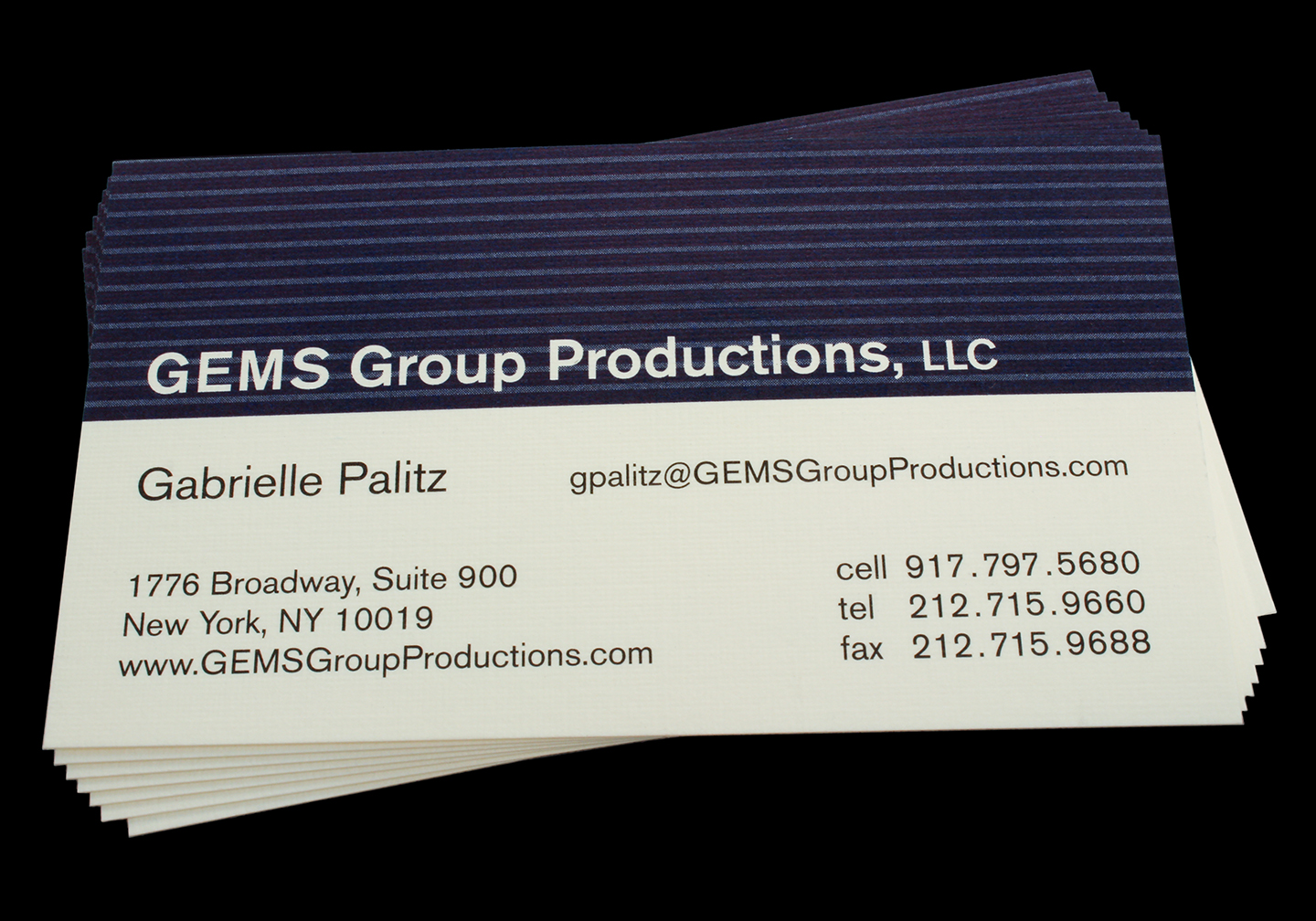
- Choose paper carefully, offset inks are influenced by the brightness and color of the paper. Be prepared for changes in color depending on the paper’s surface finish and color.
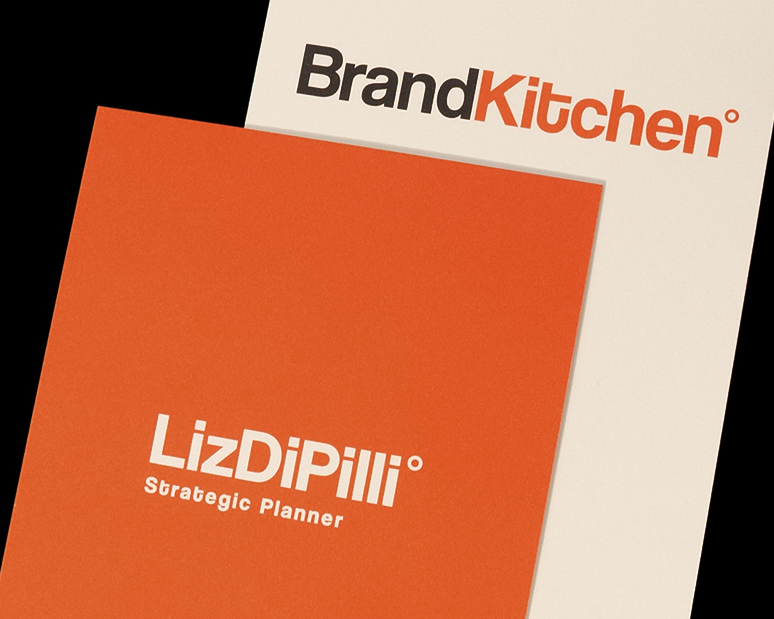
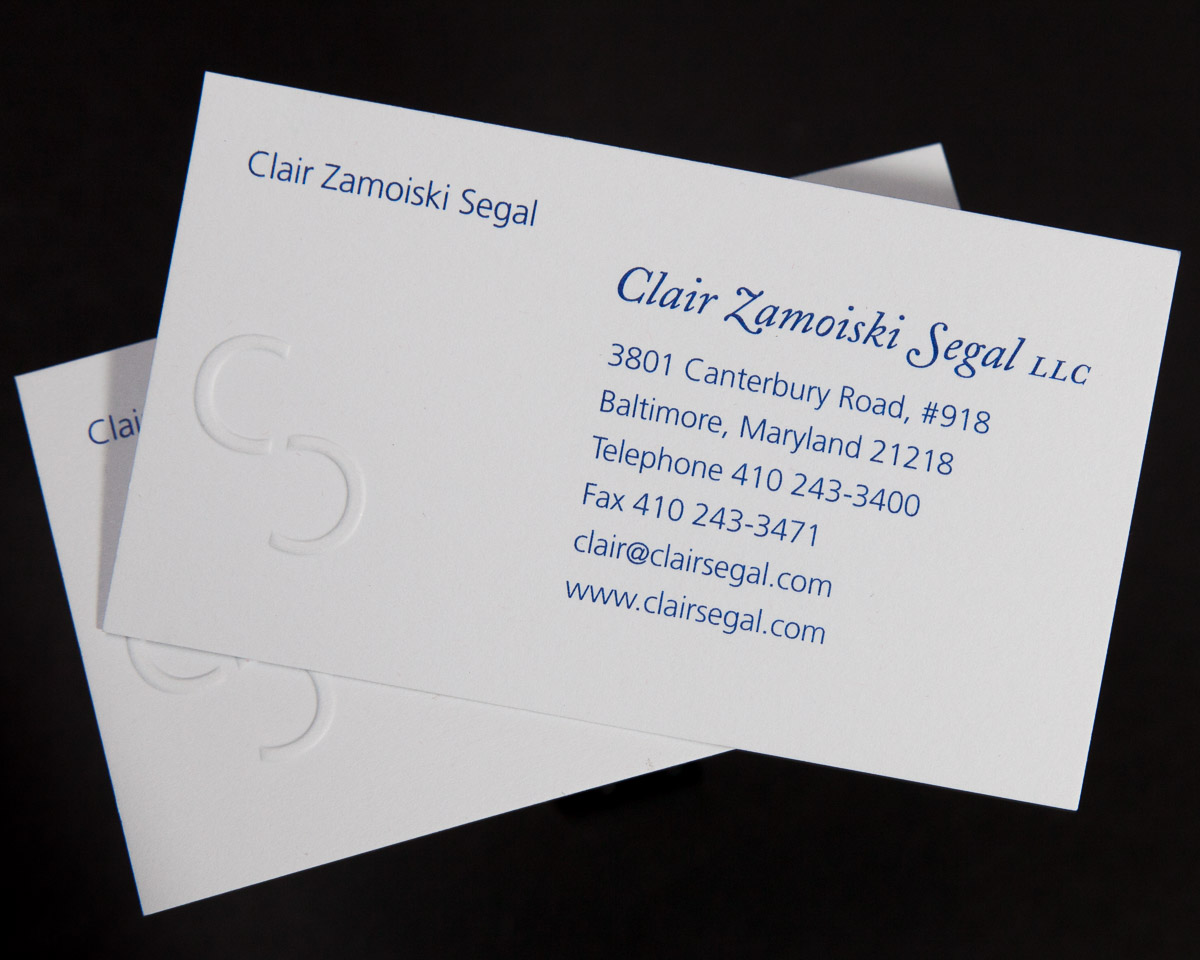
- Pantone Matching System (PMS) printing uses a premixed ink, so aside from the way it reacts to the paper, you know what to expect.
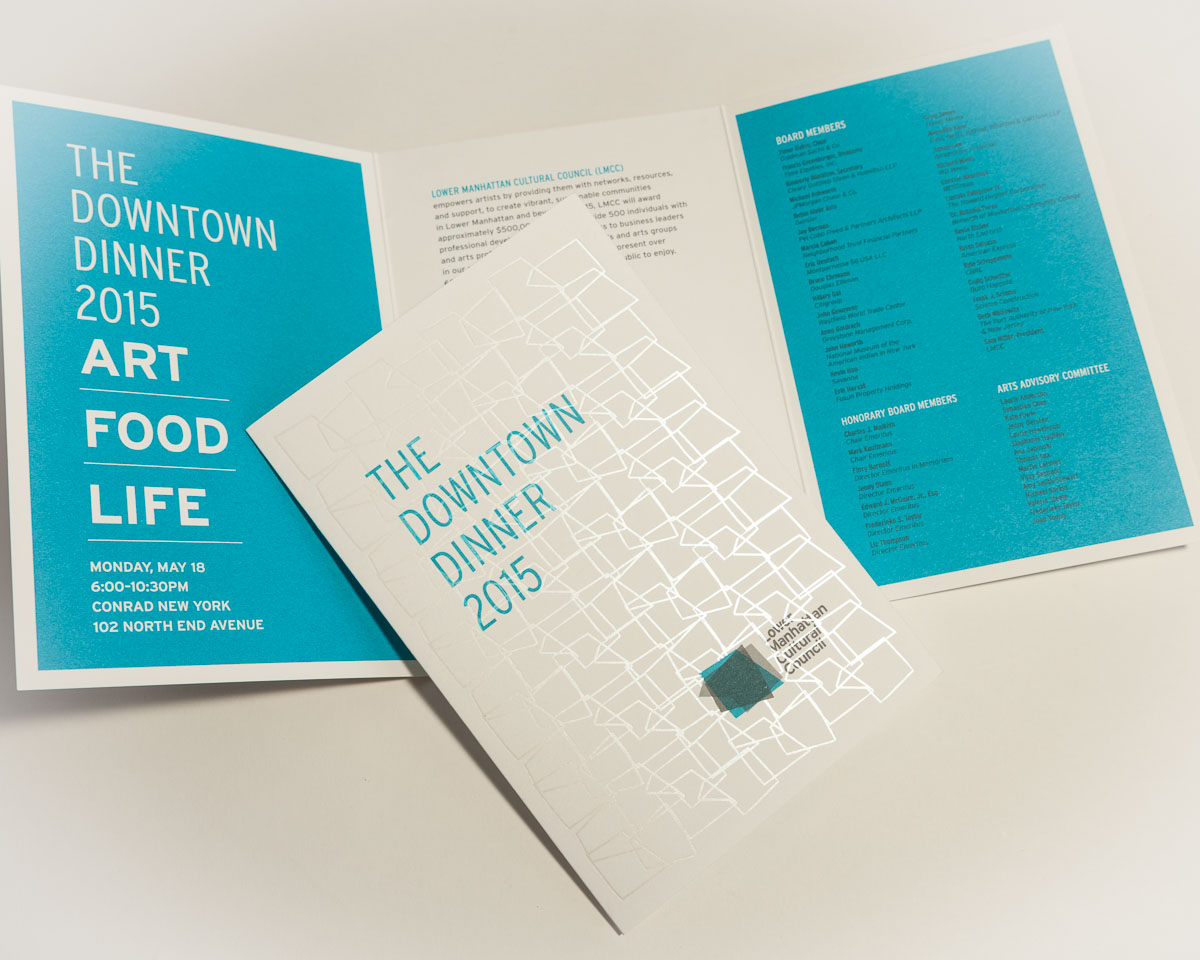
- CMYK, or four color printing , uses a combination of cyan, magenta, yellow and black inks to create the printed image. The end product can vary depending on the press, stock and exact mix. Four-color projects need paper-specific prepress proofs, to simulate how inks will respond on press.
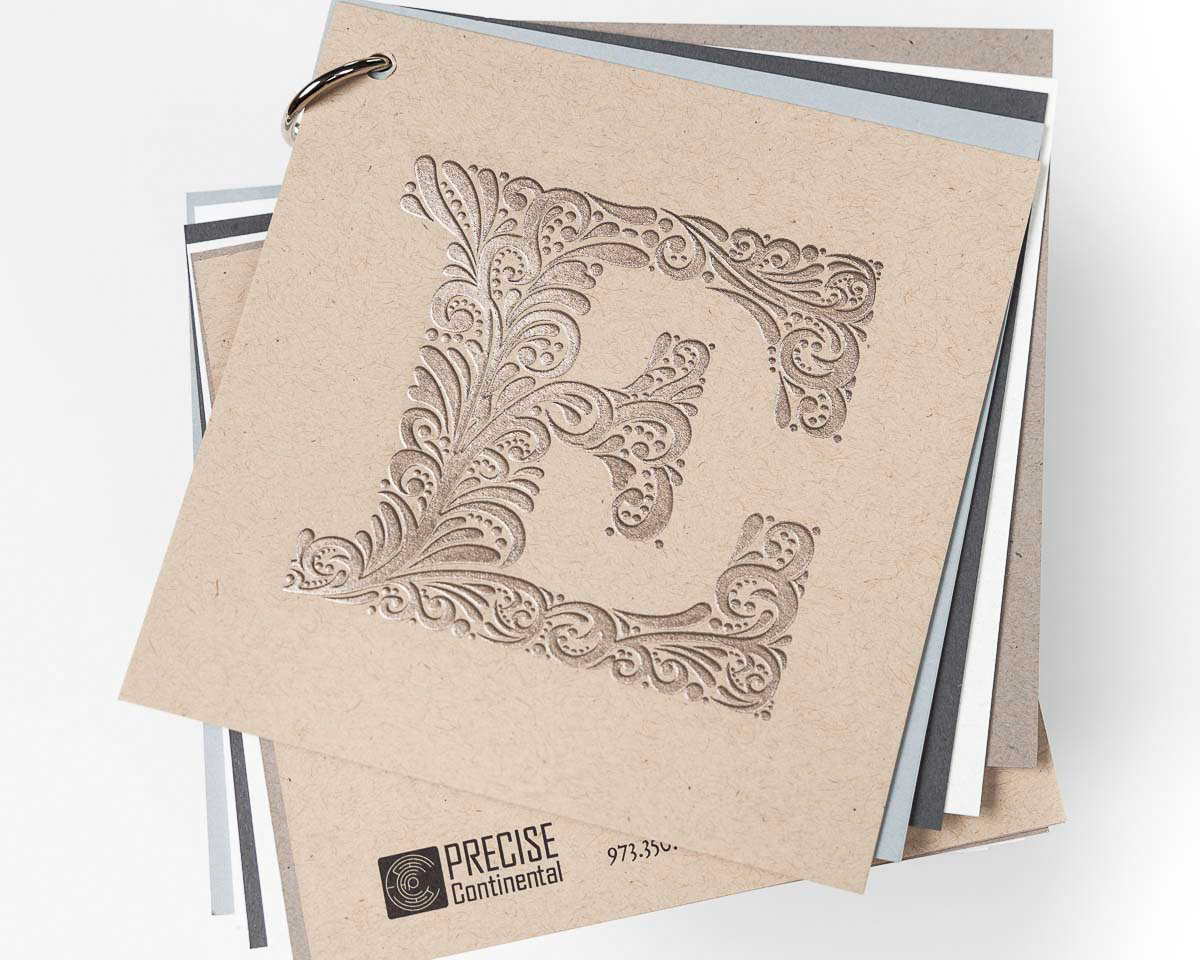
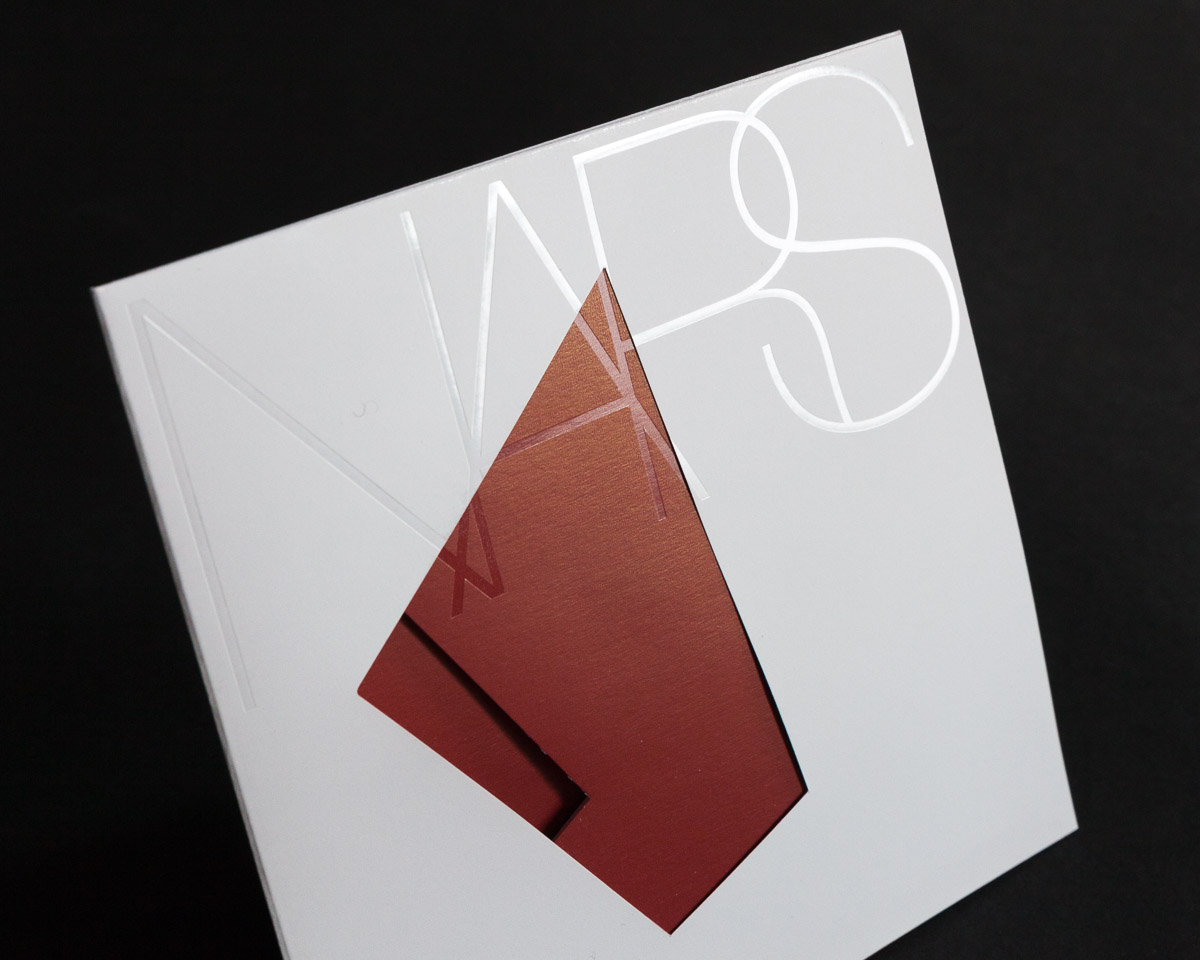
- Metallic inks tend to absorb into uncoated paper when offset. If you’re going for a high-metallic effect, choose a coated sheet or go with engraving or foil stamping.
- Choose the right tool for your job. Our presses handle paper sizes ranging from 3” x 5” to 14” x 20” and print 1 to 5 colors + aqueous coating, up to 24pt thick stock.
- Allow more time for post-press drying if your project requires large areas of ink.

QUESTIONS?
Think of us like that friendly production manager you never had.